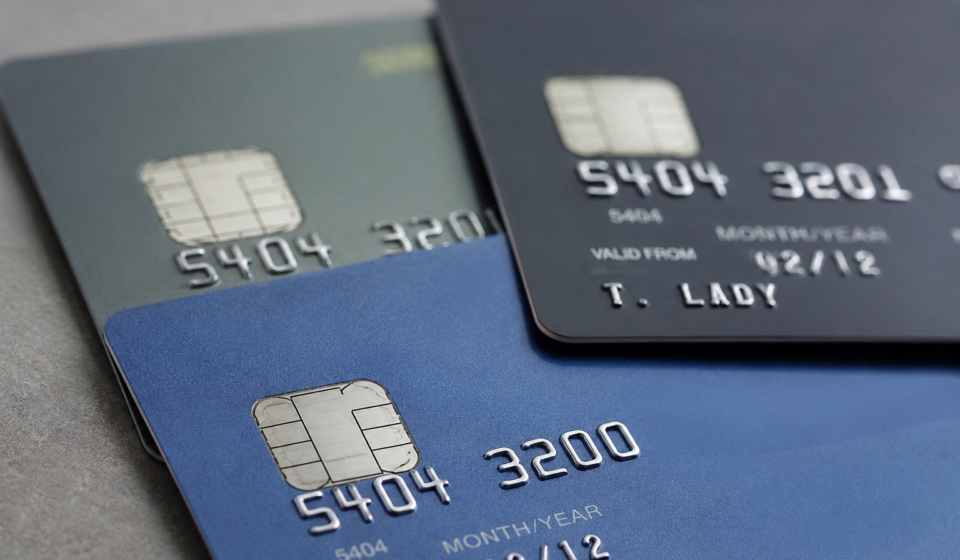

Credit cards have become an essential financial tool for millions of people around the world. When used responsibly, they offer convenience, security, rewards, and the opportunity to build a strong credit history. However, poor credit card management can quickly lead to unnecessary debt and financial stress. Understanding how credit cards work is the first step toward making smarter financial decisions.
What Is a Credit Card?
A credit card allows you to borrow money from a financial institution to make purchases, pay bills, or shop online. Instead of paying immediately with cash or funds from your bank account, you agree to repay the borrowed amount according to the terms of your credit agreement.
Each credit card comes with a credit limit, interest rate (APR), billing cycle, and minimum monthly payment. Paying your balance in full each month helps you avoid interest charges while maintaining a healthy credit profile.
Benefits of Using Credit Cards
When managed correctly, credit cards provide several financial advantages.
Some of the most common benefits include:
- Convenient cashless payments
- Fraud protection and purchase security
- Rewards programs and cashback offers
- Travel points and exclusive benefits
- Building a positive credit history
- Emergency purchasing power
Many premium credit cards also include travel insurance, airport lounge access, rental car protection, and extended product warranties.
Building a Strong Credit Score
One of the biggest advantages of responsible credit card use is improving your credit score. Lenders use your credit history to evaluate your financial reliability when you apply for loans, mortgages, or additional credit.
To maintain a healthy credit score:
- Pay your balance on time every month.
- Keep your credit utilization below 30% of your available limit.
- Avoid missing payments.
- Limit unnecessary credit applications.
- Monitor your credit report regularly for errors or suspicious activity.
Consistent responsible behavior demonstrates financial discipline and can lead to better borrowing opportunities in the future.
Common Mistakes to Avoid
Although credit cards offer flexibility, they can become expensive if not managed properly.
Common mistakes include:
- Carrying high-interest balances month after month
- Making only the minimum payment
- Overspending beyond your budget
- Ignoring annual fees and interest rates
- Missing payment deadlines
- Using credit cards for unnecessary purchases
Developing good spending habits and creating a monthly budget can help prevent these costly mistakes.
Choosing the Right Credit Card
Not every credit card is designed for the same purpose. Before applying, compare different features, including:
- Interest rates (APR)
- Annual fees
- Cashback rewards
- Travel benefits
- Introductory offers
- Credit limits
- Customer service and security features
Selecting a card that matches your financial lifestyle can help you maximize benefits while minimizing costs.
Final Thoughts
Credit cards can be powerful financial tools when used responsibly. They provide convenience, enhanced security, valuable rewards, and an effective way to establish a strong credit history. The key to success is treating your credit card as a payment tool rather than a source of extra income.
By paying your balance in full whenever possible, monitoring your spending, and using credit wisely, you can avoid unnecessary debt while strengthening your overall financial health.
Responsible credit card management is not just about spending—it is about building a secure financial future through smart, informed decisions.